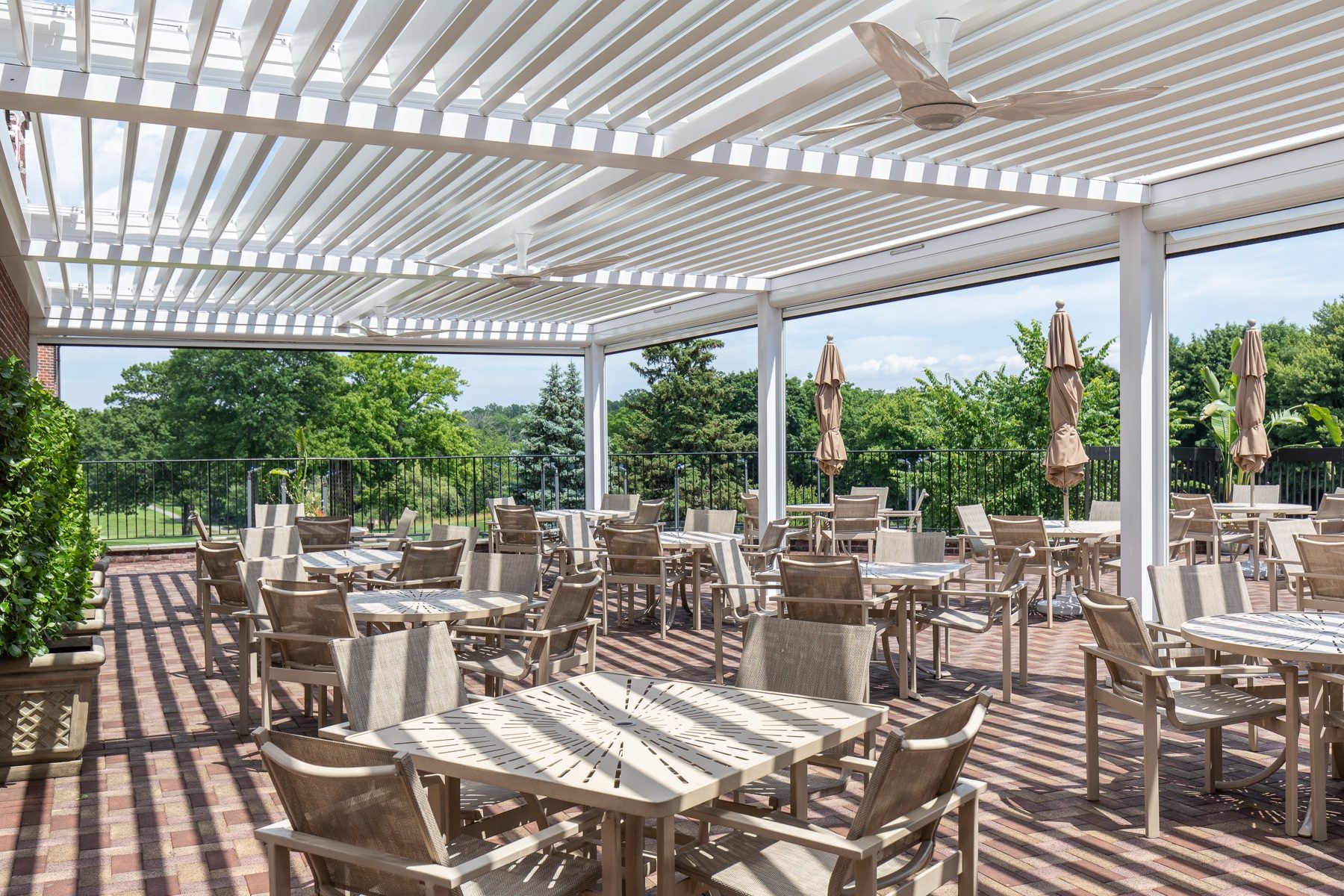
A well-designed commercial pergola doesn't just add shade — it converts outdoor square footage into productive, revenue-generating space. In Los Angeles, where the weather is mild and outdoor dining culture is embedded in the lifestyle, this matters more than almost anywhere in the country.
Here's how commercial pergola projects work across different applications.
Restaurants and dining venues
Outdoor dining capacity is direct revenue. A restaurant that adds 30 covered outdoor seats at an average check of $65 — running 2 turns on a Friday night — is adding $3,900 in weekly revenue from a structure that pays for itself in a season.
The key considerations for restaurant pergolas:
- Weatherproofing. A motorized louvered system with gutters lets you operate through light rain and overcast days without seating gaps. The difference between "usable when it's perfect out" and "usable 300 days a year" is the roof system.
- Code and clearances. Restaurant outdoor dining structures typically require compliance with local zoning, fire egress distances, and sometimes health department rules for food service areas. Our team handles the engineering documentation.
- Heaters and lighting. Integrated infrared heaters and LED lighting extend the evening service window into the winter months. In LA, that means running full capacity outdoor dining from 5–10pm through November, December, and January — months most operators write off.
- Branding. Color, signage integration, and custom finishes can make the pergola an extension of the restaurant's design identity rather than a generic covered patio.
Hotels and hospitality
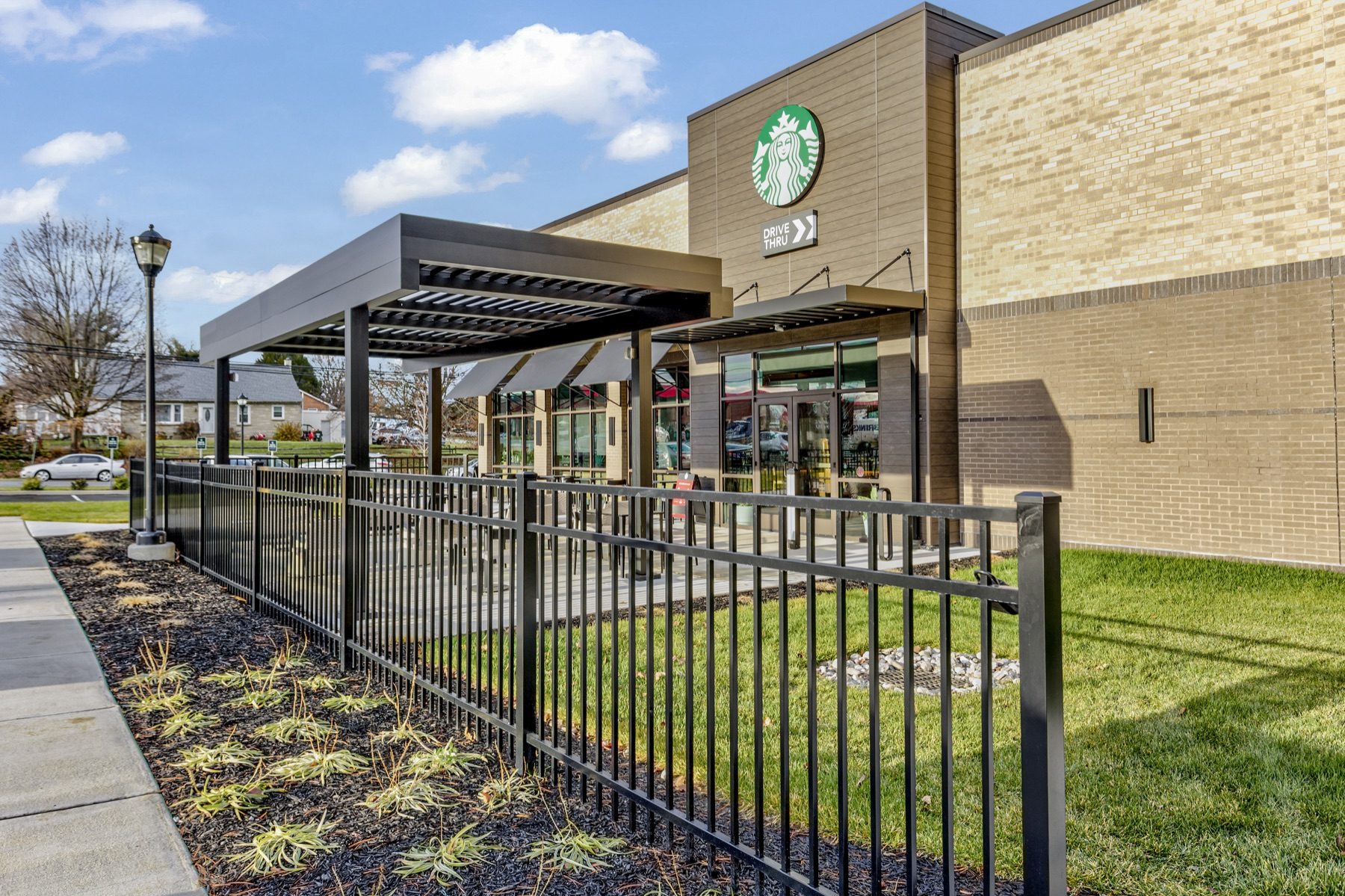
Hotel outdoor spaces — pool decks, lounge areas, rooftop bars — face a different design challenge: they need to work for multiple use cases across a full day, from morning breakfast service to evening cocktails. Motorized systems are almost always the right call here because the same space needs to function differently at 8am and 8pm.
Common hotel applications:
- Pool deck cabanas: Individual or connected cabana structures that create premium rentable experiences. A well-designed cabana with screens, a fan, and a dedicated outlet can be a $150–$300/day revenue line at boutique hotels.
- Rooftop pergolas: LA's rooftop bar scene is established. A motorized louvered pergola with wind-rated engineering (required above the third or fourth floor in most applications) and integrated heaters extends the rooftop season and allows operation during the marine layer months.
- Event coverage: A large freestanding structure over a courtyard or outdoor event lawn gives the property a flexible event venue that doesn't require tent rentals.
Office and corporate campuses
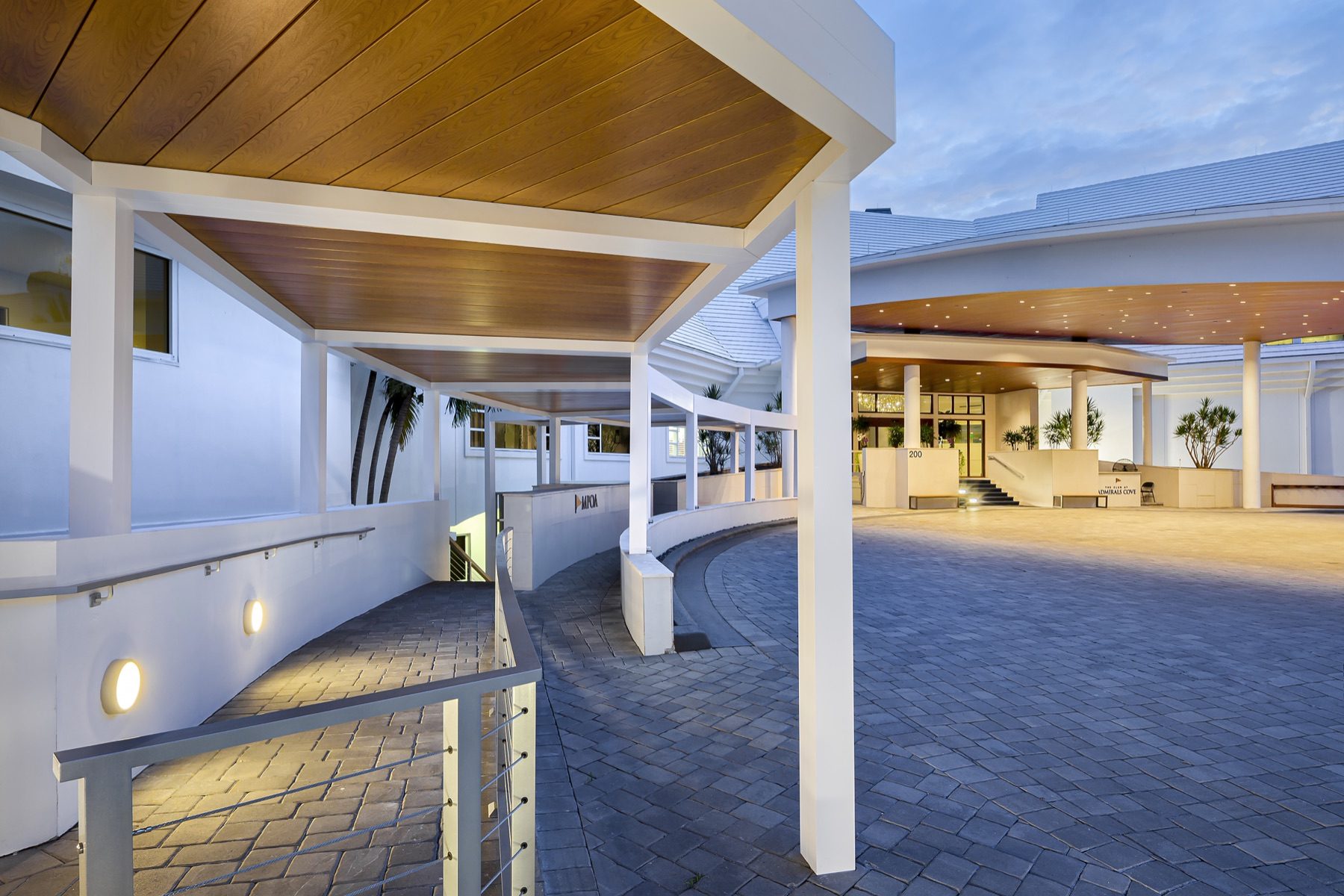
Outdoor work and meeting spaces became a priority after 2020 and haven't reversed. Corporate campuses, creative offices, and co-working facilities increasingly treat outdoor courtyards as productive square footage — not just a place to eat lunch.
For office applications, the priorities shift:
- Acoustic environment. Integrated panels and screens reduce traffic noise and create a sense of enclosure that supports focused work.
- Power and connectivity. Post-integrated power outlets, USB charging, and cable management for screens or speakers.
- All-day comfort. Motorized louvers for sun control, heaters for morning cold, fans for afternoon heat. The space needs to be comfortable from 8am to 6pm across every month of the year.
The commercial project reality: commercial pergolas are larger investments — typically $80,000–$250,000 for a full outdoor dining or hospitality installation — but the ROI calculation is fundamentally different from residential. A restaurant that recovers $150,000 in additional revenue over 18 months has paid for the structure and then some. We can help you model that before you commit.
Engineering and compliance for commercial projects
Commercial pergola structures require stamped engineering drawings, wind load calculations appropriate to the building height and location, and in many cases building department permits. Our team produces full engineering packages and works with your architect or general contractor on the documentation. For LA County and City of LA projects, we're familiar with the submission process and typical review timelines.
What a commercial consultation looks like
Commercial projects start the same way residential projects do — a site visit to understand the space, intended use, occupancy goals, and timeline. The difference is that we typically involve an engineer from the first meeting and produce more detailed preliminary documentation before the formal quote. Most commercial clients from first meeting to signed contract in 3–4 weeks; installation timelines run 12–18 weeks for larger projects.